About Chords for Change
My Passion
My Passion
My Passion
Hi. I'm Andrew and I'm a high school junior in Marin County. I've played guitar for twelve years, beginning with a baritone ukulele in kindergarten and now playing electric guitar in my high-school rock band. Playing guitar is one of my passions and I also enjoy working with younger kids. Last Fall, I decided to share my passion for guit
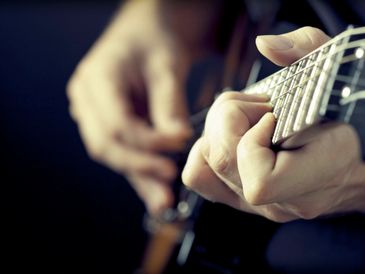
Hi. I'm Andrew and I'm a high school junior in Marin County. I've played guitar for twelve years, beginning with a baritone ukulele in kindergarten and now playing electric guitar in my high-school rock band. Playing guitar is one of my passions and I also enjoy working with younger kids. Last Fall, I decided to share my passion for guitar with kids here in Marin and I've been teaching guitar lessons to underserved, school-aged children in Marin City since then.
The Vision
My Passion
My Passion
One of the obstacles I initially recognized was the need for guitars that the kids could call their own, so I raised money to purchase guitars for my small group of students. My vision now is to serve a greater number of kids and expand beyond guitar, providing lessons for drums, bass, keyboards, etc. Based on my high-school rock ba
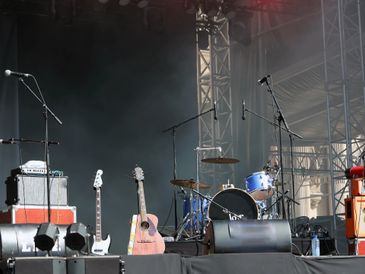
One of the obstacles I initially recognized was the need for guitars that the kids could call their own, so I raised money to purchase guitars for my small group of students. My vision now is to serve a greater number of kids and expand beyond guitar, providing lessons for drums, bass, keyboards, etc. Based on my high-school rock band experience, I know that Marin has many talented high school musicians who would love to teach music to younger kids, and I even have a few musicians lined up already. But, before we can move forward with a larger group, we need to raise the funds necessary to purchase the additional instruments.
Our Goal
My Passion
Our Goal
Seeing the need for additional funding from the broader community, I founded Chords for Change as a non-profit so that we could seek donations to fund the purchase of musical instruments. Our ultimate goal is to have a pipeline of high school musicians teaching music lessons and providing instruments to underserved, school-aged kids thro
Seeing the need for additional funding from the broader community, I founded Chords for Change as a non-profit so that we could seek donations to fund the purchase of musical instruments. Our ultimate goal is to have a pipeline of high school musicians teaching music lessons and providing instruments to underserved, school-aged kids throughout Marin. To make this goal a reality, we need your financial support. Please consider donating. Thank you!